












What Is PCI DSS Level 1 and Why Does It Matter for Payment Gateways?
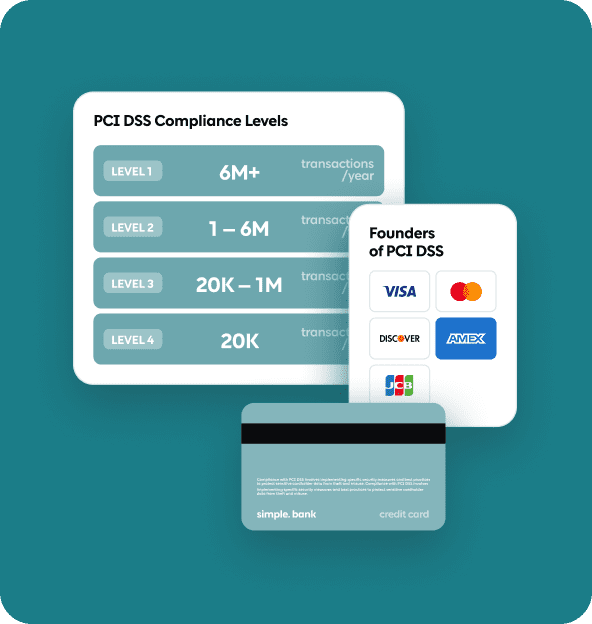
PCI DSS Level 1 is the highest tier of compliance within the Payment Card Industry Data Security Standard. It is the global security framework for any entity that stores, processes, or transmits cardholder data. Level 1 certification requires annual on-site assessments by a Qualified Security Assessor and quarterly network scans.
paytech is PCI DSS Level 1 certified. This is the highest level of PCI compliance available.
Most payment companies operate at lower PCI DSS levels. The difference is significant. Level 1 compliance means that every component of the infrastructure that touches card data has been audited against the full set of PCI DSS requirements, including encryption standards, access controls, vulnerability management and incident response procedures.
For paytech clients, this matters in a direct and practical way. Because paytech operates at Level 1, businesses using paytech’s white-label gateway or payment orchestration technology can reduce their own PCI compliance scope. The infrastructure they build on has already passed the most rigorous assessment available, which simplifies their own audit process and reduces the cost and complexity of maintaining compliance.
What is ISO 27001 Certification for Payment Companies?
ISO 27001 is the international standard for information security management systems (ISMS). Where PCI DSS focuses specifically on cardholder data, ISO 27001 covers the entire scope of how an organisation manages information security, from risk assessment and access control to supplier management and business continuity planning.
paytech is ISO 27001 certified. This means paytech’s security practices are embedded into the operational structure of the company, with documented processes, regular internal audits, and continuous improvement cycles.
For businesses evaluating payment infrastructure, ISO 27001 is a signal that security governance extends beyond the payment transaction itself. It covers the systems, the people, the processes, and the policies that surround the technology. Enterprise clients and regulated industries increasingly require ISO 27001 as a baseline condition for vendor selection.
What is ISO 22301 and why does it matter for Payment Infrastructure?
ISO 22301 is the international standard for business continuity management. It certifies that an organisation has identified potential disruptions, built recovery plans for them, and tested those plans under controlled conditions.
paytech is ISO 22301 certified. This means paytech has documented continuity procedures for scenarios ranging from infrastructure failure to supply chain disruption, and that these procedures are tested and updated on an ongoing basis.
Payment infrastructure needs to be available continuously. Downtime does not just affect convenience. It affects revenue, customer trust, and in some cases regulatory standing. For clients operating in high-volume or regulated environments, ISO 22301 certification provides a level of confidence that is difficult to achieve through contractual SLAs alone. It means the infrastructure provider has independently verified its ability to maintain operations under adverse conditions.
Is paytech an Approved Processor for Apple Pay and Google Pay?
Yes. paytech is an approved processor for both Apple Pay and Google Pay.
Being an approved processor is not simply a matter of supporting wallet transactions. Both Apple and Google maintain separate approval programmes for the processors and gateways that handle their wallet flows. Approval requires meeting specific technical, security, and integration standards set by each platform.
paytech’s approved processor status means that wallet transactions processed through paytech’s infrastructure meet the requirements set by Apple and Google directly. Clients using paytech’s white-label gateway can offer Apple Pay and Google Pay to their end users without needing to obtain separate processor approvals themselves.
This matters for conversion. In markets where mobile wallet adoption is high, the ability to offer Apple Pay and Google Pay at checkout is directly tied to transaction success rates. Customers expect these options. When they are available, checkout friction decreases. When they are absent, abandonment increases.
It also matters for speed to market. Obtaining independent Apple Pay or Google Pay processor approval can take months. Building on paytech’s already-approved infrastructure removes that timeline entirely.
How Certifications Benefit Businesses Building on Payment Infrastructure
Certifications and approvals have a compounding effect. A business building on infrastructure that holds PCI DSS Level 1, ISO 27001, and ISO 22301 certifications, with approved processor status for Apple Pay and Google Pay, inherits a compliance and capability baseline that would take significant time and investment to achieve independently.
This is particularly relevant for PSPs, aggregators, and fintech platforms that need to demonstrate compliance to their own clients and regulators. The infrastructure they build on determines their starting position. Stronger infrastructure credentials translate into faster onboarding of enterprise clients, smoother regulatory conversations, and broader market access from the outset.
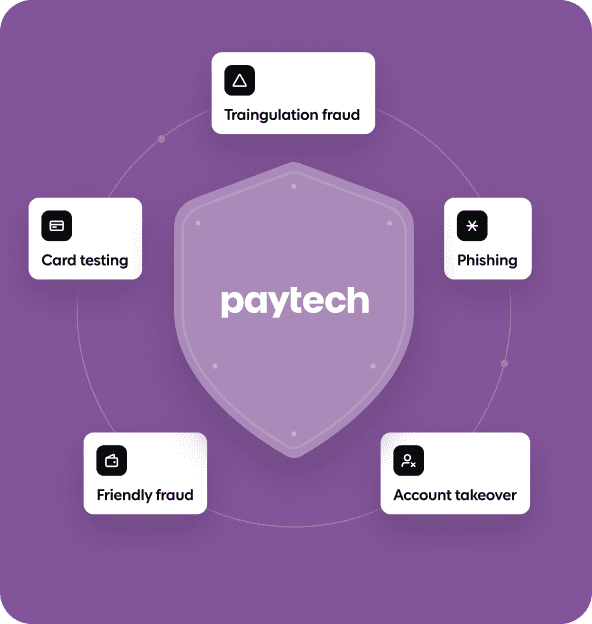
paytech’s certification stack is part of a broader infrastructure approach that includes 900+ live PSP integrations, smart routing logic, failover and cascading capabilities, and fraud prevention tooling, all built in-house on a single codebase. The certifications validate the security and resilience of the environment in which all of these capabilities operate.
Frequently Asked Questions
What certifications does paytech hold?
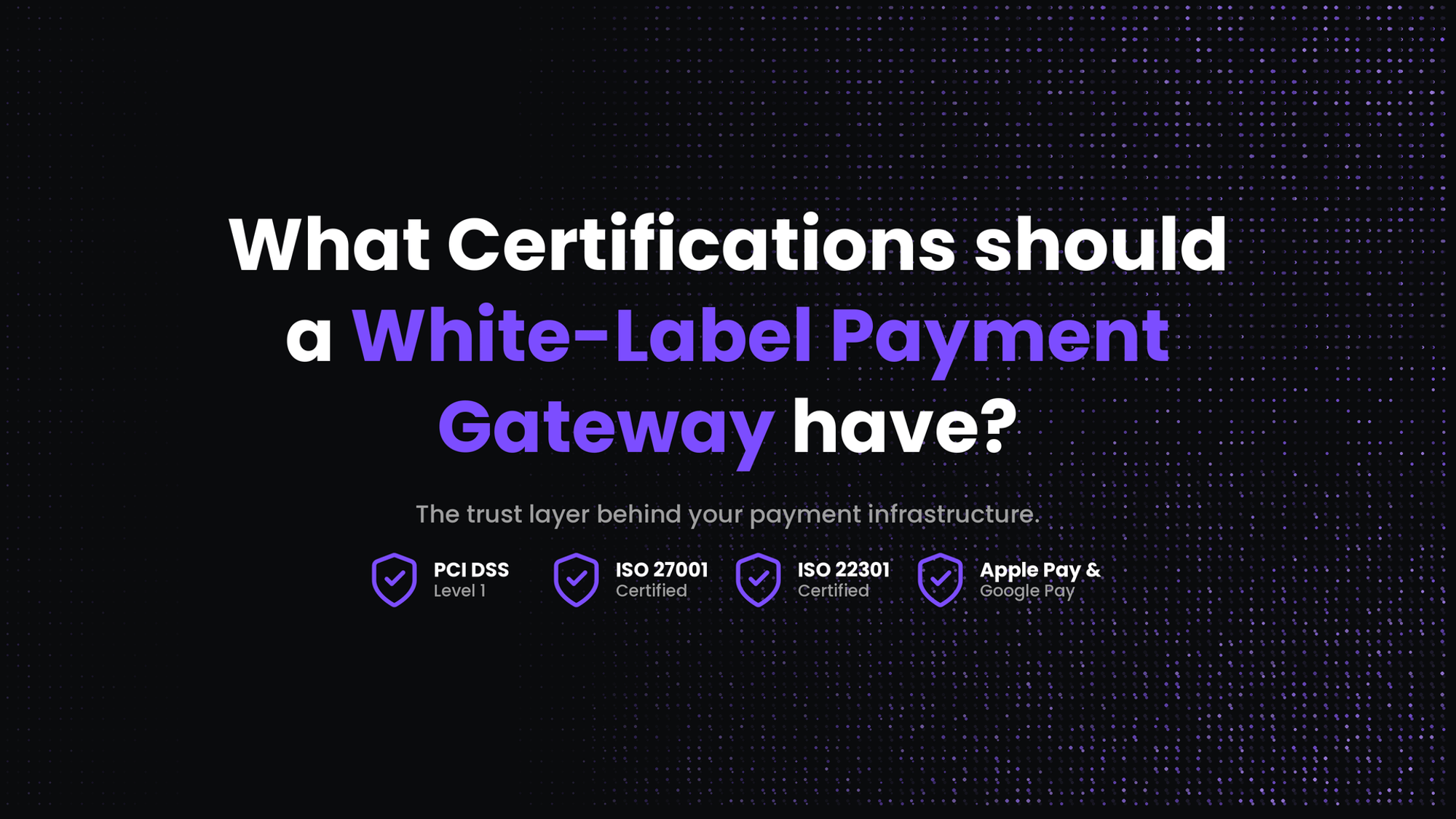
paytech holds PCI DSS Level 1 certification (the highest level of PCI compliance), ISO 27001 certification (information security management), and ISO 22301 certification (business continuity management).
What is PCI DSS Level 1?
PCI DSS Level 1 is the highest tier of compliance in the Payment Card Industry Data Security Standard. It requires annual on-site assessments by a Qualified Security Assessor and quarterly network scans. It applies to entities that store, process, or transmit cardholder data at the highest volume or risk level.
Does paytech support Apple Pay?
Yes. paytech is an approved processor for Apple Pay. Clients using paytech’s white-label gateway can offer Apple Pay to their end users without needing to obtain separate Apple Pay processor approval.
Does paytech support Google Pay?
Yes. paytech is an approved processor for Google Pay. This means wallet transactions processed through paytech’s infrastructure meet Google’s processor requirements directly.
What is the difference between ISO 27001 and PCI DSS?
PCI DSS focuses specifically on the security of cardholder data during payment transactions. ISO 27001 covers the broader scope of information security management across an entire organisation, including risk assessment, access controls, supplier management, and business continuity planning. paytech holds both certifications.
What is ISO 22301?
ISO 22301 is the international standard for business continuity management. It certifies that an organisation has identified potential disruptions, built recovery plans, and tested those plans. paytech’s ISO 22301 certification means its continuity procedures are independently verified.
What does paytech do?
paytech is a white-label payment infrastructure company. It provides payment gateway technology, payment orchestration, smart routing, failover and cascading, fraud prevention, and 900+ integrations. paytech builds infrastructure that PSPs, aggregators, and fintech platforms use to operate their own payment environments.
How many PSP integrations does paytech have?
paytech has over 900 live integrations available through its integration ecosystem. All integrations are maintained on a single codebase built in-house.